
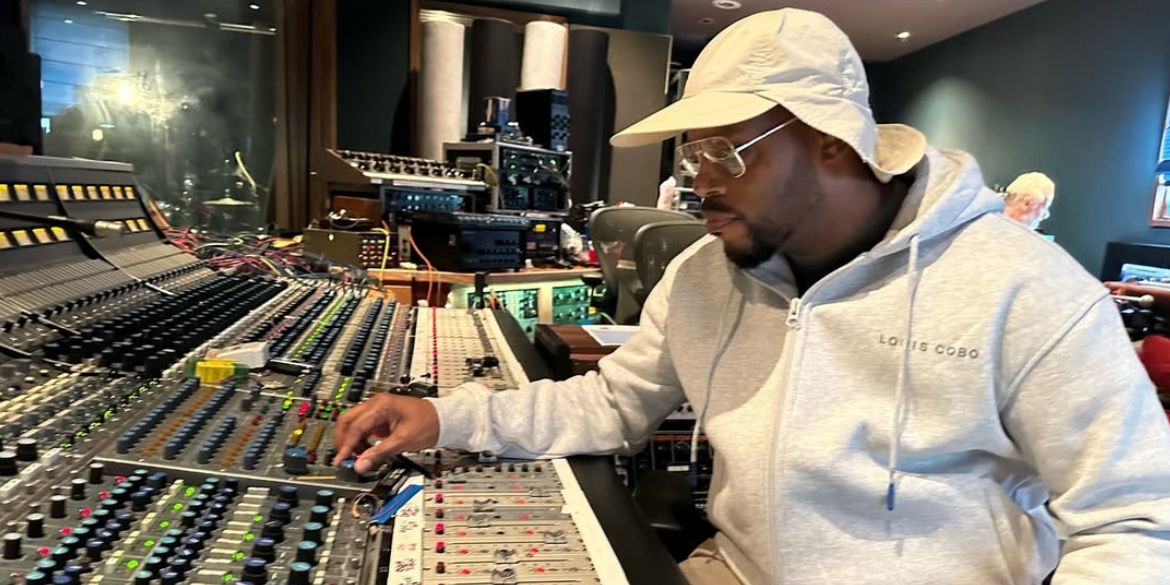
In occasione della sua tappa al Biko di Milano, organizzata da Soulfood Promotions, il grande batterista americano Karriem Riggins ci ha concesso una stimolante chiacchierata sulla musica, le grandi collaborazioni e su ciò che l’hip-hop significa per lui.
Il concerto milanese era solo il terzo di una triade di live italiani consecutivi facenti parte di un tour europeo portato avanti insieme al grande collega dj J Rocc, che hanno regalato un’esibizione all’insegna di acrobazie musicali e strumentali, dove l’hip-hop è puro protagonista.
La nostra intervista a Karriem Riggins
Vorrei iniziare chiedendoti qual è lo stato attuale dell’hip-hop. Scrivo su questo argomento e vorrei sapere cosa ne pensi della situazione attuale, perché dopo 50 anni ovviamente c’è stata un’enorme evoluzione e molto da dire al riguardo, e non so se ti piace o meno come è adesso.
«Non mi piace: lo adoro. Capisci cosa intendo? Adoro quello che stanno facendo tanti giovani produttori fantastici, tanti grandi produttori pionieri e persone che continuano a portare avanti la loro musica rendendola sempre attuale e rilevante».
Chi sono i tuoi preferiti in questo momento? Non solo di tutti i tempi, ma anche adesso.
«Beh, ovviamente J.Dilla, riposi in pace, il suo repertorio è così prolifico. Era così prolifico che ancora oggi continuano a uscire cose che non abbiamo mai sentito prima. È innovativo. Sembra futuristico. Madlib, Pete Rock, ovviamente mio fratello, Kaytranada. Sto lavorando con un’artista di nome Liv. È una cantante, ma è anche una produttrice incredibile. Ci sono così tante persone, anche J Rocc».
Ed è un bene che tu abbia menzionato Dilla perché, a 20 anni dalla sua morte, è ancora così rilevante. E mi piacerebbe sapere qual è la sua eredità per te oggi e se hai dei ricordi dopo aver lavorato con lui in studio e qualcosa che ti è rimasto dentro.
«Mi sembra che tutte le persone che mi circondano siano umili studenti di musica che vogliono imparare sempre di più su questo argomento, per poter capire da dove proviene e dove può arrivare, capisci cosa intendo? E Dilla era una persona che non forzava nulla. Non c’era una formula, ma c’era una sorta di obiettivo finale: creare qualcosa di funky e innovativo. Ed era un po’ simile a molti degli artisti jazz con cui ho lavorato, come Roy Hargrove e Ray Brown, che andavano in studio aspettandosi grandi cose. E a volte questo non deriva dalle prove, ma solo dalla pratica, che in un certo senso è come provare, ma a volte quando ti ritrovi con persone con cui non hai mai lavorato prima, devi essere ad alto livello, capisci? Quindi, circondandomi di gente come lui, mi sentivo come se mi fossi posto degli obiettivi ambiziosi, per cercare di raggiungere quel livello».
Certo. E a proposito di persone che purtroppo sono scomparse, anche di recente, e a cui voi avete reso omaggio stasera, mi piacerebbe sentire da te qualcosa su D’Angelo, se hai altri ricordi su di lui.
«In realtà eravamo in contatto, sai, Questlove ci ha presentati. L’ho incontrato quando stava lavorando a Voodoo e io ero all’Electric Lady e ho potuto assistere a qualcosa di tutto ciò. Ma penso che imparare semplicemente ascoltandolo e sentendo la sua passione, si possa percepire il livello di pratica, il livello di unione con il suo strumento. Suonava linee di basso e accordi e cantava contemporaneamente. È una grande indipendenza, capisci? E questo, sai, di per sé, lo rende un musicista incredibilmente bravo e anche uno studioso di musica. Ha imparato dai grandi, sai, Questlove, tutti quei ragazzi insieme hanno creato un sound che fa parte del modello di ciò che facciamo tutti noi».
Un’altra canzone che hai suonato stasera è stata 30 Hours di Kanye West, che hai prodotto. Vorrei sapere come è nata quella canzone e se hai altri ricordi al riguardo o com’è stato il processo di registrazione.
«A proposito, quella è una maglietta fantastica (riferendosi alla felpa con cappuccio di Kanye West, ndr)! Ho lavorato con Kanye. Ho fatto il suo primo tour, il Touch the Sky tour. E gli è piaciuta la mia configurazione che avevo con Common. Avevo un MPC 3000, un piatto hi-hat e un piatto crash. Quindi suonavo la cassa e il rullante dal vivo con l’hi-hat. Poi, sai, non ci siamo sentiti per un po’ e immagino che abbia ascoltato il mio album Alone Together, perché il suo management mi ha contattato. Credo che volesse rappare su alcuni dei beat presenti nell’album, ma mi ha chiesto dei beat. Così gli ho mandato alcuni nuovi beat. E questo mentre stava lavorando a Yeezus. Quindi ha scelto quel beat per Yeezus. Doveva essere su Yeezus. E poi non è stato inserito nell’album. E io ho pensato, ok, beh, non è stato inserito nell’album. E poi è uscito 30 Hours quando ha fatto The Life Of Pablo. Ma non ne sapevo nulla fino a quando non è uscito. Ho pensato: “Oh merda!”. Ma è fantastico, perché all’inizio c’era Andre 3000 alla fine del brano, che faceva il ritornello, ma Three Stacks aveva anche delle barre in una versione, il che è pazzesco».
E hai anche menzionato Common, che è uno dei miei artisti preferiti di sempre, uno dei miei rapper preferiti di sempre. E voi avete un ottimo rapporto nella musica, sapete, ci sono anni e anni di collaborazione alle spalle, avete collaborato tantissimo. E questo venerdì avete pubblicato una canzone insieme, giusto? La colonna sonora della NBA. E mi piacerebbe sapere com’è lavorare con lui e com’è il processo di registrazione, la creatività che c’è dietro, voi ragazzi lavorate insieme da così tanti anni. Com’è lavorare insieme?
«È un’altra persona che rende le persone migliori. Come, sai, anche con Dilla, Dilla creava un album intero di beat per Common e Common ne sceglieva solo tre. Lui diceva: “Dai, fammi vedere altro, creane altri”. Quindi ti spinge a crearne sempre di più, e questo ti porta a un certo livello. Si aspetta grandi cose da tutti quelli con cui lavora. E mi ha aiutato a capire cosa cerca un rapper in un beat, perché puoi creare tanti beat, alcuni sono fantastici, ma non sono adatti alle parole e al ritmo. A volte stanno bene da soli, capisci. Quindi sì, ho imparato molto da lui e adoro lavorare con lui».
Vorrei sapere la tua opinione, tornando alle domande precedenti, la tua opinione sull’uso dell’IA nella musica in questo momento, se ti spaventa, se è un’opportunità o altro.
«A dire il vero, nel corso degli anni ci sono state tantissime tecnologie. L’IA è molto avanzata, ma credo che dipenda da chi la usa. Quando viene usata per imitare un’altra persona, in modo perfetto, penso che sia una violazione della proprietà intellettuale. Ma credo che se la si fa propria, proprio come quando capovolgiamo i dischi, tagliamo i campioni e li rendiamo originali. Penso che usarla in questo modo, usare la propria intelligenza per trasformarla in qualcosa che fa parte di te, sia fantastico. Ma niente furti, amico, niente furti. Non rubare idee nella formula, capisci cosa intendo?»
Certo. E questa è la terza tappa in Italia stasera. Avete suonato a Bologna e Roma e vorrei sapere com’è stato suonare qui. E vorrei sapere se avete ascoltato qualche artista italiano e cosa ne pensate del nostro Paese?
«Come potete sentire, suoniamo tutti i tipi di musica. Tocchiamo tutti gli stili, cerco di toccare tutti gli stili quando ascolto musica e quando suono. E il pubblico qui è composto proprio da amanti della musica. Sento che tutti qui, questo gruppo che ha suonato prima di noi, siamo tutti camaleonti musicali. Amiamo tutto. E lo si può sentire come una sorta di zuppa musicale. Si può sentire tutto ciò che ci influenza. Il cuore batte forte, c’è così tanta anima qui in Italia. Sento che è piena di sentimento».
Grazie, amico. Vorrei concludere chiedendoti quali sono i tuoi progetti futuri?
«Ho sei album in uscita su Stones Throw. Ma il primo disco che uscirà, a febbraio, è dell’artista Liv. Abbiamo realizzato un album insieme che abbiamo chiamato Gina. Quindi abbiamo un progetto completo in uscita su Lex Records a febbraio. La prima cosa è una canzone in uscita a novembre, il mese prossimo. Quindi, ci sarà molto materiale».
Grazie, amico. Lo apprezzo molto.
«Grazie. Ti sono grato».
Karriem Riggins Interview
I would like to start by asking you about the status of hip-hop right now. I write about it and I would like to know what do you think about the situation it is in right now, because after 50 years of course there’s so much evolution and so much to say about it, and I don’t know if you like it right now or not.
«I don’t like it. I love it. You know what I’m saying? I love what’s going on with so many dope young producers, so many great pioneer producers and people still keeping their music going forward and relevant.»
Who are your favorites right now? I’m not saying of any time, but right now.
«You know, of course, Jay Dilla, Rest in Peace, his repertoire is so prolific. He was so prolific there’s stuff that’s still appearing now that we never heard before. That’s forward. That sounds futuristic. Madlib, Pete Rock, of course my brother, Kaytranada. I’m working with an artist named Liv. She’s a singer, but she’s also an incredible producer. There’s so many people, J Rocc too.»
And it’s good that you mentioned Dilla because after 20 years after his death, he’s still so relevant. And I would like to know, I don’t know, what is his legacy right now for you and if you have some memories after working with him in the studio and something that you, I don’t know, carry with you after?
«I feel like all the people that I surround myself with are humble students of the music and that want to learn more and more about the music, to be able to know where it came from, to where to take it, you know what I’m saying? And Dilla was that person that wouldn’t force anything. There was no formula, but there was like an end goal of making something funky and innovative. And that was like kind of similar to, you know, a lot of the jazz artists I worked with like Roy Hargrove and Ray Brown and, you know, those type of people were going to studio and expect greatness. And sometimes that doesn’t come from rehearsing, it just comes from practicing, which is rehearsing in a sense, but sometimes when you get together with people, you never work with them before. It has to be a high level, you know? So surrounding myself with him, I feel like put me to set the bar high, you know, for me to strive to get to that level.»
Of course. And speaking of people who unfortunately passed away, even recently, and that you guys paid homage to tonight, I would like to hear from you something about D’Angelo, if you have some other memories about him.
«We actually were in touch, you know, Questlove introduced us. I met him back when he was doing Voodoo and I was at Electric Lady and I got to witness some of that. But I think more so learning from just hearing him and hearing his passion, you can hear the level of like practice, the level of one with his instrument. He played basslines and chords and can sing simultaneously. That’s like a lot of independence, you know? And that, you know, in itself, he’s an incredibly great musician and also a student of the music. He learned from the greats, you know, Questlove, all of those guys together created a sound that is part of the blueprint of what we all do.»
Another song that you played tonight was 30 Hours by Kanye West that you are produced to. And I would like to know how that song came to life and if you have other memories about it or how the recording process was.
«That’s a dope t-shirt, by the way (referring to the Kanye West hoodie ndr)! I’ve been working with Kanye. I did his first tour, which was the Touch the Sky tour. And he liked my setup that I had with Common. I had an MPC 3000, a hi-hat cymbal and a crash cymbal. So I would play the kick and snare in the hi-hat live. And then, you know, we weren’t in touch for a while, and I guess he heard my album Alone Together, and his management reached out. I think he wanted to rap on some of the beats on there, but he’s asked for some beats. So I sent him some new beats. And this is when he was working on Yeezus. So he picked that beat for Yeezus. That was supposed to be on Yeezus. And then it didn’t make the album. And I was like, okay, well, it didn’t make the album. And then 30 Hours came out when he did The Life Of Pablo. But I didn’t know anything about it until it came out. I was like “Oh shit!”. But it’s dope, you know, because he had originally Andre 3000 saying on the end, doing the chorus, but Three Stacks had bars in a version of it, too, which is crazy.»
And you also mentioned Common, who is one of my favorite artists of all time, favorite rappers of all time. And you guys have a great relationship in music, you know, there’s years, years in the making, you know, that you guys collaborated so much. And this Friday, you released the song together, right? The NBA theme score. And I would like to know what it’s like to work with him and what is like the recording process behind, the creativity behind, you guys have been working for so many years. So what is it like to work together?
«He’s another person that makes people better. Like, you know, even with Dilla, Dilla would make an album worth of beats for Common and Common might pick three beats. He’s like, come on with some more, make some more. So he makes you make more and more, and it gets your chops up to a certain level. He expects greatness from everybody that he works with. And he just helped me to know what a rapper looks for in a beat as well, you know, because you can make a lot of beats, some beats sound dope, but they’re not friendly for lyrics and rhythm. Sometimes just to stand alone, you know. So yeah, I learned a lot from him and I love working with him.»
I’d like to know your take, coming back to the previous questions, your take on the usage of AI in music right now, if it scares you, if it’s an opportunity or whatever.
«To tell you the truth, there’s been so much technology over the years. This is, AI is very advanced, but I feel like it depends on who’s using it. When it’s used to, you know, imitate another person, like spot on, I think it’s a violation of intellectual property. But I feel like if you make it your own, just like we flip records, we chop samples and make it original. I think that using it that way, using your brain power to turn it into something that’s part of you is dope. You know what I’m saying? But no stealing, man, no stealing. No stealing ideas in the formula, you know what I mean?»
Of course. And this is the third stop in Italy tonight. You guys played in Bologna and Rome and I would like to know what was like playing here. And I would like to know if you guys listened to any Italian artists and what are your thoughts about our country?
«As you can hear, we play all types of music. We touch on everything, I try to touch on everything when I listen to music and when I play. And just the audience here is just, these are music kind of sewers and lovers. I feel like that everybody here, this group that played before us, I can hear that we are all musical chameleons. We love everything. And you can hear it as a kind of musical gumbo. You can hear everything that’s influencing us. The heartbeat, it’s such a soul here in Italy. I feel like it’s soulful.»
Thank you, man. I would like just to finish by asking you what are your future projects?
I got six albums coming out on Stone’s Throw. But the first record that’s coming out, which is in February, is from the artist Liv. We did an album together that we called ourselves Gina. So we got a full length project coming out on Lex Records in February. First thing is a song coming out November, next month. So, I’ll make it up.
Thank you, man. I appreciate it.
«Thank you. I appreciate you.»