
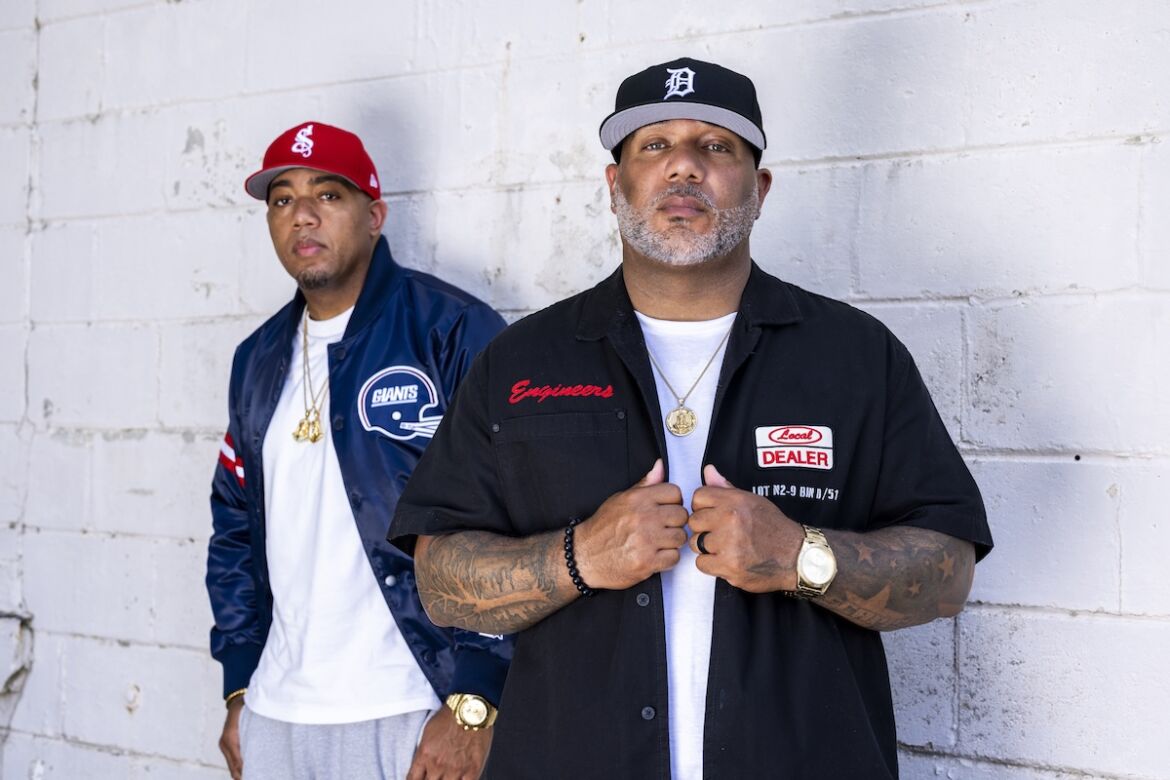
La nostra intervista a Skyzoo e Apollo Brown, a ridosso dell’uscita di Luxury Tax, il loro nuovo joint album.
Skyzoo e Apollo Brown: Luxury Tax e il prezzo della coerenza artistica
Sono passati dieci anni da The Easy Truth, uno dei capitoli più solidi della collaborazione tra un producer e un MC nel rap sample-based degli ultimi quindici anni. Venerdì Skyzoo e Apollo Brown tornano con Luxury Tax, il secondo album insieme, pubblicato esattamente in coincidenza con l’anniversario del primo lavoro. Per l’occasione abbiamo parlato con entrambi del significato del titolo, del processo creativo, della loro chimica artistica e dello stato del rap americano oggi.
Sono passati dieci anni da The Easy Truth. Cosa vi ha fatto capire che questo fosse il momento giusto per un secondo capitolo insieme, e cosa è cambiato — nel modo di lavorare, nelle vostre vite — dal 2016?
Skyzoo: «Onestamente abbiamo iniziato a parlarne circa due anni fa. Erano discorsi leggeri, tipo “yo dovremmo farne un altro presto. Il primo ha avuto un tale successo, e soprattutto la nostra chimica è così naturale, potrebbe avere senso“. Man mano che ci avvicinavamo al decimo anniversario è diventata una cosa concreta, e farla coincidere con la data dei dieci anni aveva troppo senso».
Apollo Brown: «Esattamente quello che hai detto tu, i dieci anni. È passato un decennio. Decisamente troppo tempo tra i due album, a dire il vero, ma un decimo anniversario è comunque memorabile. Sono cambiate tante cose in questi dieci anni. Le nostre carriere, il nostro pubblico, le nostre famiglie, il modo in cui viviamo. Penso che siamo diventati meno egoisti, e molto più pazienti e disposti a perdonare. Anche nella musica».
Luxury Tax è un titolo forte, quasi da business. Cosa significa per voi l’idea di “lusso” in questo disco: è una condizione economica, uno stato mentale, o il prezzo da pagare per restare fedeli a un certo tipo di hip-hop dopo tutti questi anni?
Skyzoo: «Per me l’idea di lusso è un po’ come l’idea di bellezza: è negli occhi di chi guarda. Possiamo avere visioni diverse di cosa sia il lusso, ma anche dentro quelle visioni arriva sempre una tassa da pagare. Quale tassa siamo disposti a pagare per quello che vogliamo e per come vediamo il lusso nelle nostre vite? Quando ti concentri davvero su cosa sia per te, quella tassa diventa non negoziabile. Sei ancora disposto a pagarla?»
Apollo Brown: «La luxury tax di cui parliamo è esattamente il prezzo extra e i sacrifici che fai per questa vita che entrambi viviamo. Quello che abbiamo dato durante le nostre carriere per arrivare dove siamo ora. È quel valore aggiunto ai lussi della vita. Non solo guadagno economico, ma felicità, pace, appagamento».
Apollo, la tua firma è il campionamento e l’atmosfera analogica: quali suoni e archivi hai esplorato per costruire il mondo sonoro di Luxury Tax? C’è un campione o un momento specifico dell’album di cui sei particolarmente orgoglioso?
Apollo Brown: «L’ho già detto altre volte, ma penso che Luxury Tax nel suo insieme sia incredibile. Ti dà tutte le sensazioni di cui hai bisogno in un album. Non ero alla ricerca di niente di specifico in termini di suoni o campioni, ma volevo che la musica trasmettesse qualcosa di sincero e introspettivo, per la maggior parte».
Skyzoo, a 43 anni la tua scrittura resta densa, piena di strati e doppi sensi. Senti di scrivere per un ascoltatore diverso rispetto a dieci anni fa? Come cambia lo storytelling restando fedeli alla propria voce?
Skyzoo: «Penso di scrivere per gli stessi ascoltatori di quando ho iniziato, perché mi piace pensare che siano invecchiati e cresciuti insieme a me. Certo, ci sono nuovi ascoltatori arrivati strada facendo, alcuni più grandi, altri più giovani, ma penso che il nucleo sia con me da quando avevo 24 anni e ho pubblicato il mio primo EP. Siamo tutti cresciuti e vissuti, e abbiamo ancora tanto da crescere e vivere. La mia penna sarà sempre stratificata, densa, con doppi e tripli sensi, indipendentemente da quanto sono giovane o vecchio. È il mio stile, è come sono stato cresciuto come scrittore, e ne sono estremamente orgoglioso».
In God Given parli di dualità, due lati che si bilanciano per renderci quello che siamo. Puoi raccontarci di più su quali sono questi due lati per te, e come convivono nella tua musica?
Skyzoo: «Penso che abbiamo tutti questi due lati, che li riconosciamo o no. Personalmente voglio pace, serenità e una vita tranquilla, ma vengo anche da un’epoca e da una zona che genera un certo istinto di sopravvivenza e un certo modo di vedere il mondo. Ho parlato di Bed-Stuy, dei corner store e dei corner boys per tutta la mia carriera. Non c’è molta calma in quegli angoli di vita. Quindi per me si tratta di accettare e abbracciare la dualità, che è tutto ciò che è God Given».
Cosa rende la vostra collaborazione diversa dai progetti che avete fatto separatamente? C’è un equilibrio producer-MC che avete trovato solo insieme, oppure ogni disco significa ricostruirlo da zero?
Skyzoo: «Ho sempre scherzato dicendo che io e Apollo siamo come gemelli separati alla nascita, lol. Vediamo la vita allo stesso modo, vogliamo le stesse cose musicalmente, negli affari, in famiglia, persino nel modo in cui facciamo i tour, siamo sempre sulla stessa lunghezza d’onda. Quando hai questo tipo di legame e chimica, creare diventa incredibilmente facile. Anche le poche cose su cui potremmo non essere d’accordo musicalmente, ci mettiamo tre minuti a trovare un terreno comune che entrambi apprezziamo e amiamo. Vogliamo le stesse cose per le nostre carriere e per la musica a cui i nostri nomi sono legati, e siamo davvero grandi fan delle capacità l’uno dell’altro. Quando hai questa combinazione, fai album in poche settimane che vengono considerati come se avessero richiesto anni. È sicuramente una benedizione».
Apollo Brown: «Abbiamo semplicemente una chimica e un obiettivo comune: fare la migliore musica possibile. Vogliamo entrambi dare ai fan qualità e una colonna sonora in cui possano riconoscersi. Quando ci mettiamo a creare insieme, è il matrimonio perfetto tra suoni e parole».
Negli anni, il rap “vero” — sample-based, ricco di barre — è rimasto un rifugio per una fetta di pubblico cresciuta con voi. Sentite la responsabilità di rappresentare quel tipo di rap oggi, in un panorama così diverso rispetto al 2016?
Skyzoo: «Assolutamente, è nostra responsabilità portare avanti il suono e la tradizione con cui siamo cresciuti, mantenendola però fresca. Non devi restare bloccato in un certo periodo per onorarlo. Puoi mescolare vecchio e nuovo, ed è quello che cerchiamo di fare.
Apollo Brown: «Ho sempre sentito la responsabilità di essere fedele prima di tutto a me stesso. Questo significa anche non allontanare i miei sostenitori di sempre, e fare la musica che so che amano, insieme a me. Sanno cosa aspettarsi quando pubblico un album. Conoscono il suono, la qualità, l’attenzione ai dettagli. Tutto quello che faccio è deliberato. Sono cresciuto ascoltando musica in una certa epoca. Un’epoca in cui la musica significava davvero qualcosa e toccava l’anima. Cerco solo di continuare a farlo».
Essendo un sito italiano, questa domanda era d’obbligo: nel 2020, Skyzoo, hai pubblicato The Bluest Note con i romani Dumbo Station. Com’è nata questa collaborazione, e siete rimasti in contatto da allora?
Skyzoo: «È stato un progetto molto significativo per me, perché da appassionato di jazz ho sempre voluto fare un album live, alla The Roots: tutto suonato dal vivo, registrato insieme, quindi è stato bello poter spuntare quella casella. Domenico mi ha avvicinato a uno show che io e Apollo avevamo in Italia nel 2017, con l’idea di un LP jazz/hip-hop con i Dumbo Station. Ho accettato praticamente sul posto, lol, e nella primavera del 2019 sono volato a Roma per farlo. L’abbiamo fatto in una settimana, con tutti i beat creati davanti a me, con il mio input e tutto il resto. Ho scritto tutto sul momento, come faccio di solito. È stata un’esperienza fantastica, e mi piacerebbe rifarla».
Per chiudere: ogni anno qui in Rapologia proviamo a stilare una lista delle migliori rookie USA/Canada, ma diventa sempre più difficile trovare nuovi rapper davvero degni di nota, soprattutto nello stile che rappresentate voi due. Da dentro la scena, come vedete lo stato attuale del giovane rap americano? C’è qualcuno di emergente che vi ha davvero colpito, o sentite che manca qualcosa rispetto alle generazioni passate?
Skyzoo: «Sono d’accordo, il mercato è così saturo che è difficile setacciarlo tutto. Direi che in questo momento un vero e proprio newcomer è un emcee di nome LIYM (si pronuncia Leem), davvero forte. Consiglio di tenerlo d’occhio, insieme a Donte Thomas, e infine il mio amico e uno dei miei artisti, Landon Wordswell, che è un vero poeta assoluto. Fa hip-hop davvero bello».
L’intervista originale in inglese – The original interview in English
Ten years have passed since The Easy Truth, one of the strongest chapters in the collaboration between a producer and an MC in sample-based rap over the last fifteen years. On Friday, Skyzoo and Apollo Brown return with Luxury Tax, their second album together, released to coincide exactly with the anniversary of their first project. For the occasion, we spoke with both of them about the meaning of the title, the creative process, their artistic chemistry, and the current state of American rap.
It’s been ten years since The Easy Truth. What told you this was the right moment for a second chapter together, and what’s changed — in how you work, in your lives — since 2016?
SK: Honestly, we began toying around with the idea of another album I’d say 2 years ago. Just light conversations of “hey yo we should maybe run it back soon. The first one was such a success, and more than anything our chemistry is so hand in hand, it might make sense”. Once we got closer to the ten year anniversary it started to become a reality, lining it up with the ten year date and all, just made too much sense.
AB: Just that, the ten years you mentioned. It’s been a decade. Definitely a long enough time has passed between both albums. Way too long in my opinion, but a 10 year anniversary is memorable. Alot has changed in the past 10 years. Our careers, our fanbase, our families, and the way we live. I think we’re alot less selfish, and alot more patient and forgiving. Even with our music.
Luxury Tax is a strong, almost business-like title. What does the idea of “luxury” mean to you on this record — is it a financial condition, a state of mind, or the price you pay for staying true to a certain kind of hip-hop all these years?
SK: For me, the idea of luxury is almost like the idea of beauty: its in the eye of the beholder. We all may have different views of what we see as luxury, but even within those views, a tax comes with them. What tax are we willing to pay for what we want and how we see luxury in our lives. When you truly zero in on what that is, the tax that comes with it is a non-negotiable. Are you still willing to pay it?
AB: The luxury tax that we speak of is definitely the extra price you pay and the sacrifices you give for this life we’re both living. What we gave over our careers to be where we are now. It’s that extra value added to life’s luxuries. Not just monetary gain, but happiness, peace, fulfillment.
Apollo, your signature is sampling and analog atmosphere: what kind of sounds and archives did you dig into to build the sonic world of Luxury Tax? Is there a sample or a specific moment on the album you’re especially proud of?
AB: I’ve mentioned this before, but I think that “Luxury Tax” as a whole, is incredible. It gives you all the feels that you need in an album. I wasn’t searching out anything specific when it came to sounds or samples, but I wanted the takeaway from the music to be heartfelt and introspective for the most part.
Skyzoo, at 43 your writing is still dense, full of layers and double meanings. Do you feel like you’re writing for a different listener now compared to ten years ago? How does storytelling change while staying true to your own voice?
SK: I think I’m writing for the same listeners from when I first started because I like to feel as if they’ve aged and grown with me. Of course there’s new listeners who’ve come along for the ride, some older, some younger, but I think the core have been with me since I was 24, dropping my first EP. We’ve all grown and lived and have more to grow and live. My pen will always be layered, dense, have double and triple meanings, no matter how young or old I am. That’s my style and how I was raised as a writer, and I’m extremely proud of that.
On “God Given” you talk about duality, two sides balancing each other to make us who we are. Can you tell us more about what those two sides are for you, and how they coexist in your music?
SK: I think we all have those two sides, whether we acknowledge them or not. Me personally I want peace and serenity and a calm way of life, but I’m also from an era and an area that breeds a certain survival instinct and a way to view the world. I’ve talked about Bed-Stuy and corner stores and corner boys my entire career. There’s not too much calm in those pockets of life. So for me it’s accepting and embracing duality, which is all God Given.
What makes your collaboration different from projects you’ve each done separately? Is there a producer-MC balance you’ve only found together, or does every record mean rebuilding it from scratch.
SK: I’ve always joked that Apollo and I are like long lost twins, lol. We view life the same, we want the same things musically, in business, family wise, even down to how we tour, we’re always on the same page. When you have that kinship and chemistry its incredibly easy to create. Even the very few things we may not agree on musically, it takes us all of three minutes to come to a common ground that we both agree on and love. We want the same things for our careers and the music that our names are attached to, and we’re genuinely huge fans of each other’s skillsets. When that’s the combination, you get albums done in a matter of weeks that are revered as if they took years to make. It’s a blessing for sure.
AB: We just have a chemistry and a common goal in mind to make the best music we can make. We both want to give the supporters quality and a relatable soundtrack. When we get together to create, it’s the perfect marriage of sounds and words.
Over the years, “real” hip-hop — sample-based, bar-heavy — has stayed a refuge for a segment of the audience that’s grown up with you. Do you feel a responsibility to represent that kind of rap today, in a landscape so different from 2016?
SK: Absolutely, it’s our responsibility to carry on the sound and tradition that raised us, all while keeping it fresh. You don’t have to be stuck in a certain period to honor it. You can blend the old and new, which is what we strive to do.
AB: I’ve always felt a responsibility to be true to myself first. That also means not alienating my day one supporters, and making the music that I know they love right along with me. They know what to expect when I drop an album. They know the sound, the quality, and the attention to detail. Everything I do is deliberate. I grew up listening to music in a certain era. An era where music really meant something and touched your soul. I just try to continue to do that.
Since we’re an Italian website, this was a question we had to ask: back in 2020, Skyzoo, you released The Bluest Note with Rome’s Dumbo Station. How did that collaboration come about, and have you stayed in touch with them since?
SK: That was such a significant project for me because as a jazz head I’ve always wanted to make a live album, ala The Roots: all live instrumentation, recorded together, so it was dope to check that box. My man Domenico approached me at a show Apollo and I had in Italy in 2017 with the idea of a jazz/hip-hop LP with Dumbo Station. I pretty much agreed on the spot, lol, and in the spring of 2019, I flew to Rome to knock it out. We did it in a week, with all the beats being made in front of me, with my input and all. I wrote everything on the spot as well, per usual. It was a blast, and I’d love to do it again.
Closing, every year at Rapologia we try to put together a list of the best USA/Canada rookies, but it’s getting harder and harder to find new rappers who are truly noteworthy, especially in the lane you two represent. From inside the scene, how do you see the current state of young American rap? Is there anyone emerging who’s genuinely impressed you, or do you feel like something’s missing compared to past generations?
SK: I agree, the market is so oversaturated that it’s hard to comb through it all. I’d say right now, a super new comer is an emcee named LIYM (pronounced Leem) who’s really dope. I’d recommend tapping in with him, as well as Donte Thomas, and lastly my homey and one of my artists, Landon Wordswell, who’s as absolute poet. He makes truly beautiful hip-hop.