
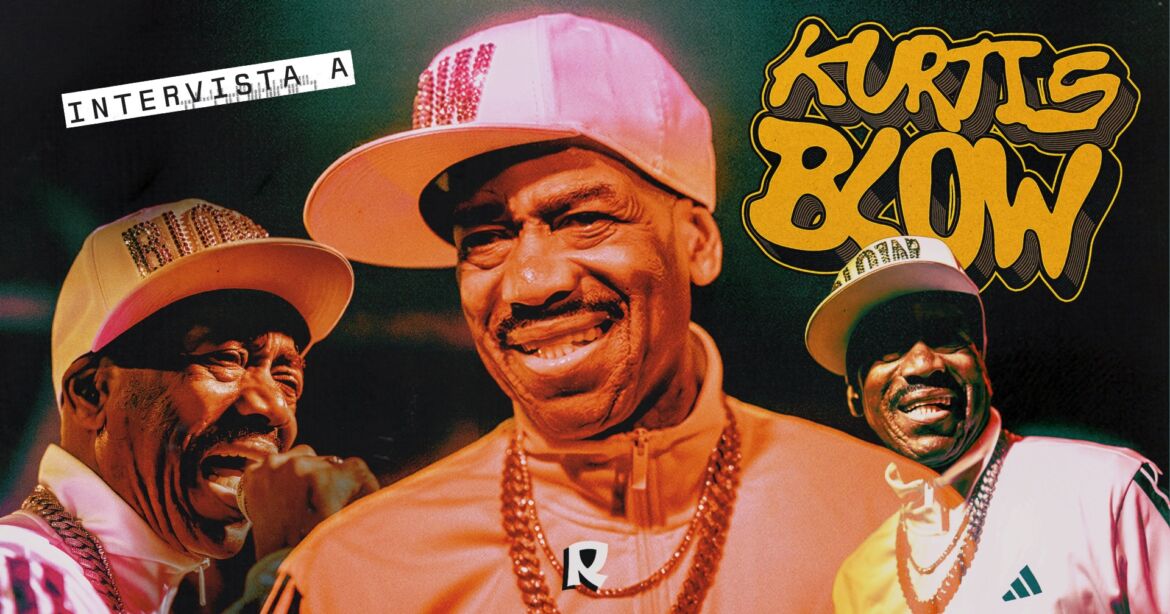
Kurtis Blow, uno dei più grandi esponenti viventi della scena hip-hop, nonché definizione di pioniere e vero e proprio MC, ha dato al Biko ulteriore riprova delle sue incredibili capacità di Master of Ceremonies. La sua audience di Milano era sotto il palco per farsi totalmente trasportare dall’energia positiva di questa leggenda, che ha voluto ribadire più volte il vero messaggio della doppia h.
Subito dopo questa memorabile performance live, abbiamo avuto modo di scambiare due chiacchiere con il protagonista stesso della serata che ha saputo raccontarci delle storie incredibili con una passione sconfinata per l’hip-hop e per la vita.
La nostra intervista alla leggenda Kurtis Blow
È un onore poter parlare con lei. Sa, c’era una grande energia là fuori. So che non è la sua prima volta in Italia. Cosa significa performare dal vivo queste canzoni che hanno più di 40 anni e che ancora oggi riscuotono successo? Cosa significa questa energia?
«Ti dirò, la vera energia, lo spirito, la passione e l’amore che stanno dietro a tutto questo derivano dal fatto che sono così grato di essere vivo. Sai, sei anni fa ho subito un trapianto di cuore. Non so se ne hai mai sentito parlare. Quindi, wow, riesci a immaginare di svegliarti la mattina e trovare tutti i medici intorno a te dopo l’operazione? Medici, infermieri, tutte queste persone che corrono qua e là. Mi sveglio e penso: “Oh mio Dio, ho appena subito un’operazione! Oh mio Dio, è stato un trapianto di cuore!“. I medici si sono accorti che mi ero svegliato. Sono venuti al mio letto e io ho detto: ”Oh cavolo, mi sono svegliato?“ e loro hanno risposto: ”Sì, sì“, poi ho chiesto: ”È stato un intervento?“ e loro hanno detto: ”Sì, sì, è stato un trapianto di cuore“. Allora ho chiesto: “Beh… è andato tutto bene?” e loro hanno risposto: “Sì, sì!” (ride ndr). E quella sensazione, poterlo fare di nuovo, poter ancora uscire dal proprio Stato e avere un po’ di energia per esibirmi, è la cosa più bella. È ancora meglio di quando ho iniziato a 19 anni. È davvero speciale, ora più che mai.»
Il messaggio che vuole trasmettere è questo, ma il messaggio che ha diffuso sull’hip-hop proprio lì sul palco e l’omaggio che gli ha reso sono stati incredibili. È stato un altro grande messaggio che ha diffuso. E vorrei sapere da una leggenda e un pioniere come lei, qual è la sua opinione sullo stato attuale dell’hip-hop? Tutti i messaggi positivi che diffonde, li vede nell’hip-hop di oggi?
«Beh, sai, molti dei miei coetanei, persone della mia età, e molti dei pionieri, sono tutti frustrati e arrabbiati a causa del cambiamento nell’hip-hop. È cambiato. Ma mi piace mantenere un atteggiamento positivo perché sono uno dei portavoce più anziani. E dico tanto di cappello ai giovani là fuori. Dobbiamo mostrare loro amore perché è così che abbiamo creato e lanciato l’hip-hop in primo luogo. Questo è pace, unità, amore. Se fermiamo i pionieri, allora non porteremo avanti la verità su come il genere dovrebbe essere. E quindi dico che dobbiamo guidare come leader e genitori dei giovani che stanno crescendo. Ma soprattutto dobbiamo insegnare loro come amare, come avere amore nei loro cuori, come amare se stessi. Perché se ami te stesso, se cambi il modo in cui vedi te stesso, cambierai tutto ciò che ti circonda. Quindi voglio predicare questa positività. Come dico sempre ai giovani, ragazzi, la vostra musica è speciale. È molto importante e scientifica. Avete persone che cantano le vostre canzoni. Le avete ipnotizzate. Quando cantano le vostre canzoni, diventano voi. Non solo vostri fan. Diventano vostri seguaci. Sono ispirati da ciò che dicono quando ripetono il tuo ritornello. Quindi, se canti il ritornello “Non puoi fermarmi adesso. Dai, diamoci dentro. Non puoi fermarmi adesso”, è un bel ritornello, giusto? Ma se canti “Voglio ucciderti adesso. E anche tua madre”, è tutta un’altra cosa. E il tuo fan che lo ripete diventerà così. Diventi ciò che dici. E non è il messaggio giusto. Non è assolutamente ciò di cui abbiamo bisogno. Quindi dico a tutti i giovani che oggi l’hip-hop è molto importante. È la voce della gente. È la musica più ascoltata in streaming in tutto il mondo. È incredibile. Viviamo in una generazione hip-hop. Viviamo in una nazione hip-hop, a livello globale. Quando viaggiavo fuori dall’America, negli anni ’80, incontravo europei e persone provenienti dalla Germania, dalla Francia o dalla Spagna che mi dicevano: “Oh amico, ho imparato l’inglese ascoltando la tua canzone The Breaks!” e io rispondevo: “Wow, è incredibile. Grazie, grazie“. Ma ora, se viaggi fuori dall’America, vai in Germania, loro rappano in tedesco. In Italia rappano in italiano, giusto? In Spagna in spagnolo, in Francia in francese e in Giappone in giapponese. Quindi in tutto il mondo, i Paesi al di fuori dell’America hanno abbracciato l’hip-hop. Amano l’hip-hop, ma ora lo hanno reso parte della loro cultura. Quando vedi ragazzi che rappano nelle loro lingue native in questo modo, e questo per me è davvero incredibile. Questo è il potere dell’hip-hop. Quindi dirò a tutti voi che avete qualcosa di speciale. Capite? Proprio come per i supereroi, come dicono in Spider-Man e in tutti quei film: “Da grandi poteri derivano grandi responsabilità”. Quindi voglio solo dire che dobbiamo andare verso un futuro positivo. Cercate di amare la vostra famiglia, di amare i vostri vicini, trovate Dio nella vostra vita e cambiate il modo in cui vedete voi stessi. E cambierete tutto. L’abbiamo fatto in passato. Abbiamo cambiato il mondo, giusto? E loro hanno l’opportunità di cambiarlo di nuovo. Quindi fate la cosa giusta. Questo è il mio messaggio.»
Come ha detto Spike Lee! E a proposito di rappare nella lingua madre, ha collaborato con gli Articolo 31 e stasera sul palco abbiamo assistito a un momento che ha chiuso un cerchio proprio con la presenza di DJ Jad. Può parlarmi di quel periodo e di quella collaborazione? Come è nata?
«Cavolo, è stata un’esperienza davvero speciale per me, perché gli Articolo 31 non sono solo un gruppo molto popolare, sai? Sono famosissimi. Sono stati anche tra i primi qui. Ma quando sono entrato in studio e ho sentito J-Ax rappare, questo ragazzo era incredibile, molto veloce. E Space One, intendo, il modo in cui mettono insieme le canzoni, i ritornelli, il canto e l’hip-hop è divertente. Sai, ma cavolo, sono stato onorato solo di farne parte. E mi hanno chiesto di venire in studio a fare una canzone con loro. Sono stato così felice di farlo. È stato uno dei momenti più belli della mia vita!»
Fantastico! Può ripetere brevemente quello che ha detto sul palco riguardo ai Fugees e al fatto che li ha portati in studio e ha dato il via alla loro carriera?
«Wow, riesci a immaginarlo? La storia è iniziata con la band Kool and the Gang. Eravamo sotto la stessa etichetta discografica. Giusto? La Mercury Records, facevano parte di quel gruppo con Mercury e Polygram. E quindi io ero il produttore numero uno in quel periodo. Ho prodotto Run DMC, The Fat Boys, insomma, tutti questi artisti. Avevo un curriculum pieno di produzioni di grande successo. E così i Kool and the Gang volevano che producessi il figlio di uno di loro. Mi hanno chiesto di andare nel loro studio nel New Jersey e io ci sono andato e ho incontrato tutti questi ragazzini. Erano un gruppo di 12, 13, 14, 15 anni, sai. E che cosa era! Rappavano in lingue diverse. E questo prima che avessimo il rap in spagnolo e qualsiasi tipo di rap in altre lingue. Era tutto in inglese, giusto? Quindi ho sentito questi ragazzi rappare in francese. Rappavano in spagnolo. Rappavano in haitiano, haitiano, giusto? E io pensavo: “Oh mio Dio, questa è la cosa più incredibile che abbia mai visto!”. Così hanno fatto una canzone chiamata Rap Translators. E così abbiamo fatto quel demo. Ricordo che Wyclef Jean faceva parte del gruppo, Pras faceva parte del gruppo, c’era anche il figlio di Robert “Kool” Bell. E questo ragazzino, aveva 12 anni, era un ragazzino con una voce acuta, acuta come quella di Michael Jackson. Ed è per questo che li adoro, perché erano incredibili. Si scambiavano continuamente barre e strofe. Erano incredibili sul palco. Così ho procurato loro un contratto discografico. Dopo il contratto discografico hanno cambiato il nome da Rap Translators Crew a Fugees. E poi hanno preso Lauryn Hill.»
Quante storie… Grazie. È stato un onore.
«Grazie a te, è stato un piacere.»
Kurtis Blow interview
This is an honor to talk to you, man. You know, there was a great energy out there. I know it’s not your first time in Italy. What does performing these songs that are 40 years old plus mean to you and you’re still kicking it? What does this energy mean to you?
«I tell you, the real energy and the spirit and the passion and love behind all of this is because I am so grateful to be alive. You know, six years ago, I had a heart transplant. I don’t know if you ever heard of this. So wow, could you imagine waking up in the morning and there are doctors all around after the operation? Doctors, nurses, all these people running around. I’m waking up “Oh my gosh, I just had an operation! Oh my gosh, it was a heart transplant!” So the doctors, they all realized that I woke up. They came over to the bed and I was like “Oh man, I woke up?” and they were like: “Yes, yes”, then I said “Was it an operation?” and they said “Yes, yes, it was a heart transplant”. Therefore I said “Well… was it successful?” and they all said “Yeah, yeah!” (laughs ndr). And that feeling right there, just to be able to do this again, to still be able to get out their own state and have some energy with it is the best thing. It’s even better than when I first made it when I was 19. So very special, more than ever now.»
The message you want to send is this one, but the message that you spread about Hip-hop right there on the stage and the homage that you paid to it was unbelievable. It was another great message that you spread. And I would like to know by a legend and a pioneer like you, what’s your thought on the status of Hip-hop right now? All the positive messages that you spread, do you see them in Hip-hop right now?
«Well, you know, a lot of my peers, guys my age, and a lot of the pioneers, they all are frustrated and angry because of the change in hip hop. It has changed. But I like to keep it positive because I am one of the elder spokesmen. And I say that my hat goes off to the young people out there. We have to show them love because this is how we created and launched hip-hop in the first place. That’s peace, unity, love. If we stop the pioneers, then that’s not the truth about how it was supposed to be. And so I say we need to lead as the leaders and the parents of the young people coming up. But to teach them how to love, how to have love inside of their hearts, how to love themselves. Because if you love yourself, if you change the way you see yourself, you will change everything around you. So I want to preach this positivity. Like I tell the young people all the time, man, your music is special. It’s very important and scientific. You have people singing your song. You have them hypnotized. When they sing your song, they become you. Not just your fans. They become your followers. They are inspired by what they say when repeating your chorus. So if you repeat the chorus like “You can’t stop me now. Come on, let’s get down. You can’t stop me now” that’s a good chorus, all right? But if you’re singing “I want to kill you now. And your mama too.” that’s a different fact. And he’s repeating that he will become that. You become what you speak. And it’s not the message. It’s not the message that we need. So I tell all the young people that today, hip-hop is so very important. It’s the voice of the people. It’s the number one streaming music around the world. It’s incredible. We live in a hip-hop generation. We live in a hip-hop nation, globally. When I travelled outside of America, back in the days in the 80s, when I used to meet Europeans and people coming from Germany or France or Spain, they would come up to me saying “Oh man, I learned how to speak English by listening to your song The Breaks!” Right? And I’m like “Wow, that’s incredible. Thank you, thank you.” But now you travel outside of America, you go to Germany, they’re rapping in German now. In Italy, they’re rapping Italian, right? Spanish in Spain and French in France and Japanese in Japan. So all over the world, the countries outside of America have embraced hip-hop. They love hip-hop, but they have made it now their own culture. So you see guys rapping in the native tongues like this, and this is so amazing to me. That’s the power of hip-hop. So I’m going to tell all of you, you have a special power. You know? And with that power, just like the superheroes, they say in Spider-Man and all of that “With great power comes great responsibility”. So, I mean, you know, I just want to say let’s move to a positive future. Try to love your family, to love your neighbors, find God in your life and change the way you see yourself. And you’ll change everything. We did it back in the days. We changed the world, right? And they have the opportunity to change it again. So do the right thing. That’s my message.»
Like Spike Lee said! And speaking of rapping in the native tongue, you did this collaboration with Articolo 31, and we saw a full circle moment on stage tonight with DJ Jad. Can you tell me about that, about that time and about that collaboration? How did it come to life?
«Gosh, that was like something very, very special to me because not only is Articolo 31 a very popular group, you know? Very, very famous. One of the first here as well. But when I got into studio and I actually heard J-Ax rapping, this guy was amazing, very fast. And Space One I mean, just the way they put songs together, choruses, singing and hip-hop is fun. You know, but man, I was honored just to be a part of that. And they asked me to come and do a song with them. I was so happy to do that. It’s like one of the best times in my life!»
Great to hear! Can you like repeat briefly what you said on the stage about the Fugees and the fact that you brought them to the studio and you started their career?
«Wow, could you imagine that? So the story started with the band Kool and the Gang. We were on the same label. Right? Mercury Records, they were part of that group with Mercury and Polygram. And so I was a number one producer during that time. I produced Run DMC, The Fat Boys, you know, all these people. I had a whole track record of productions that were very, very hot. And so Kool and the Gang wanted me to produce his son. He has a son, Nell Bell. And so they asked me to come out to their studio in New Jersey and I went out there and met all these young kids. It was a group of them, like 12, 13, 14, 15, you know. And what it was! They were rapping in different languages. And this is before we had, you know, Spanish rap and any kind of language rap. It was all English, right? So I heard these guys rapping in French. They were rapping in Spanish. They were rapping in Haitian, Haitian, right? And I’m like “Oh my gosh, this is the most incredible thing ever!”. So they made a song called Rap Translators. And so we made that demo. And I remember Wyclef Jean was a part of the group, Pras was a part of the group, they also had Robert “Kool” Bell’s son. And this young kid, he was 12, young guy who had a high voice, high pitch like Michael Jackson. And that’s why I love them because they were so incredible. Just going back and forth. They were incredible on stage. So I got them a record deal. After the record deal they changed the name from the Rap Translators crew to the Fugees. And then they got Lauryn Hill after that.»
So many stories… Thank you, sir. It was a honor.
«Thank you, it was a pleasure.»
Grafica di Mr. Peppe Occhipinti. Foto di Fabio Zito.